


Civil engineering projects are only as solid as the ground beneath them. Whether you are building a towering commercial retaining wall. Paving a heavy-duty highway, or putting in a residential gravel driveway, weak underlying soil can lead to costly structural failures.
Enter the geogrid—one of the most transformative inventions in modern geosynthetics. By altering how loads are distributed across soft ground, geogrids have changed the way engineers approach soil stabilization.
What is a Geogrid?
A geogrid is a geosynthetic material manufactured from high-tenacity polyester (PET) fibers. This geogrid is produced using an oriented warp-knitting process.
The warp and weft yarns are laid perfectly straight without bending or weaving.
Creating a stable grid matrix that is subsequently coated with a premium, oil-soluble PVC finish for added durability.
Unlike traditional geotextile fabrics that primarily act as filters or separators, geogrids are engineered specifically for reinforcement.
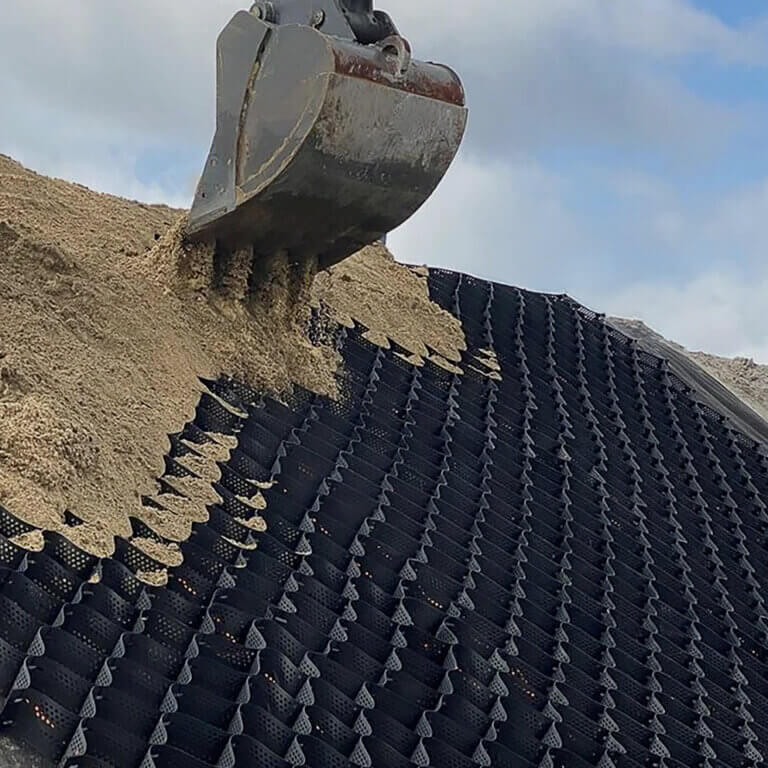
Their primary mechanism is interlocking: aggregate stones or backfill material push through the apertures, locking the aggregate in place and preventing it from lateral shifting or spreading under pressure.
Primary Applications in Modern Construction
Because they dramatically increase the load-bearing capacity of sub-base soils, geogrids find use across a wide array of industries:
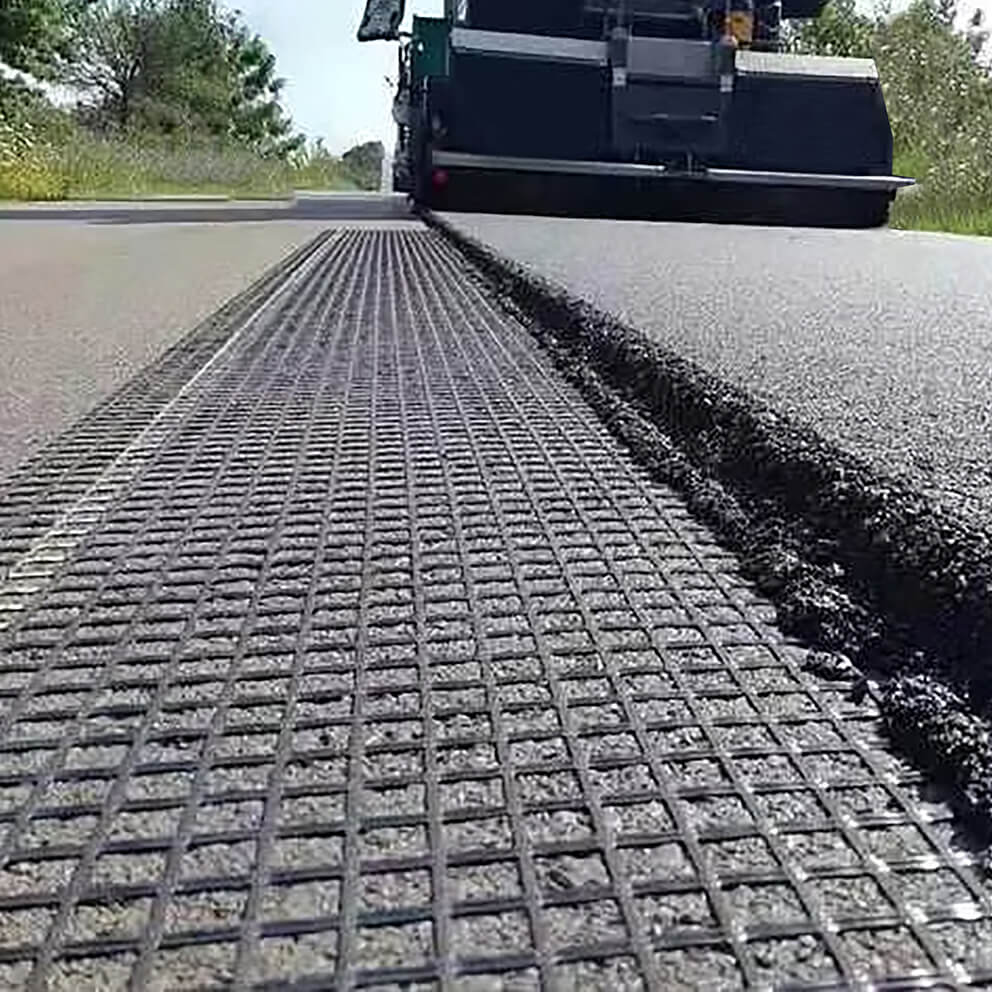
- Driveways and Roadways: Placing a geogrid layer beneath aggregate layers prevents stone from sinking into soft subgrades, drastically reducing maintenance, and extending pavement life.
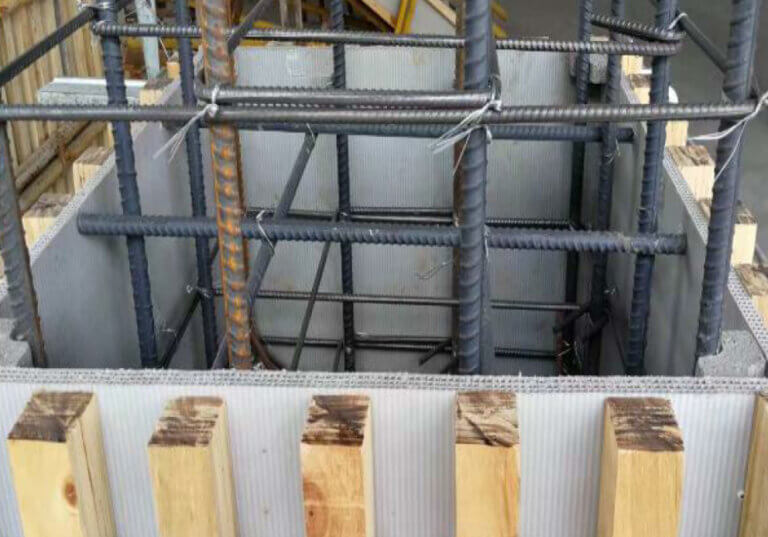
- Mechanically Stabilized Earth (MSE) Retaining Walls: Uniaxial geogrids tie concrete or masonry face blocks back into the compacted soil mass, creating a unified gravity structure capable of holding back massive earth loads.
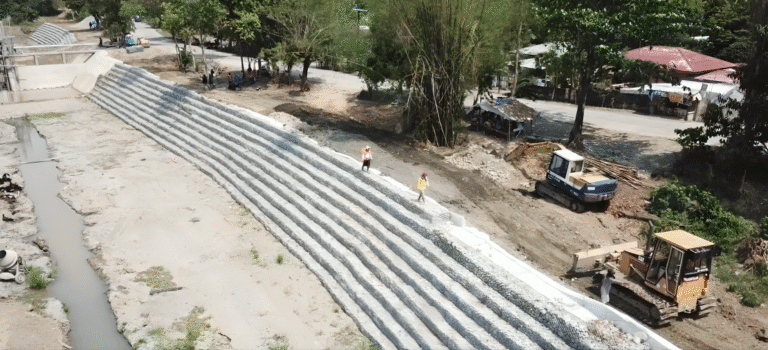
- Embankments Over Soft Soils: When building over swamps, clays, or compressible organic soils, geogrids distribute weight evenly to prevent catastrophic shear failures and differential settlement.
- Slope Protection: Steeper embankments can be constructed safely by layering geogrids between lifts of soil, locking the face in place and resisting erosion.
Core Features and Engineering Advantages
High-performance geogrids offer specific mechanical and chemical properties designed to withstand extreme earth stresses and harsh environmental conditions:
- High tensile strength at low elongation
- Excellent creep resistance
- Flexible and durable
- High chemical resistance
- UV resistant
- Lightweight
- Cost-effective
Ready to start your next earthwork project? Don't let soft soil compromise your hard work. Contact our expert team today for a free project consultation or request a custom quote on our full range of high-performance geogrid products. Have a specific engineering question? Call us at: 0917 321 2000